Community Self-Defense + Women’s Rights
In the Southern Caribbean of Costa Rica, a series of brutal sexual assaults in early 2021—including a gang rape on a popular beach that left a young woman alone, naked, and searching for help—sent shockwaves through the community and brought national attention to the region. For years, women had been sounding the alarm about escalating violence, unsafe roads, and a lack of resources for survivors, but their concerns were ignored until the crisis could no longer be silenced.
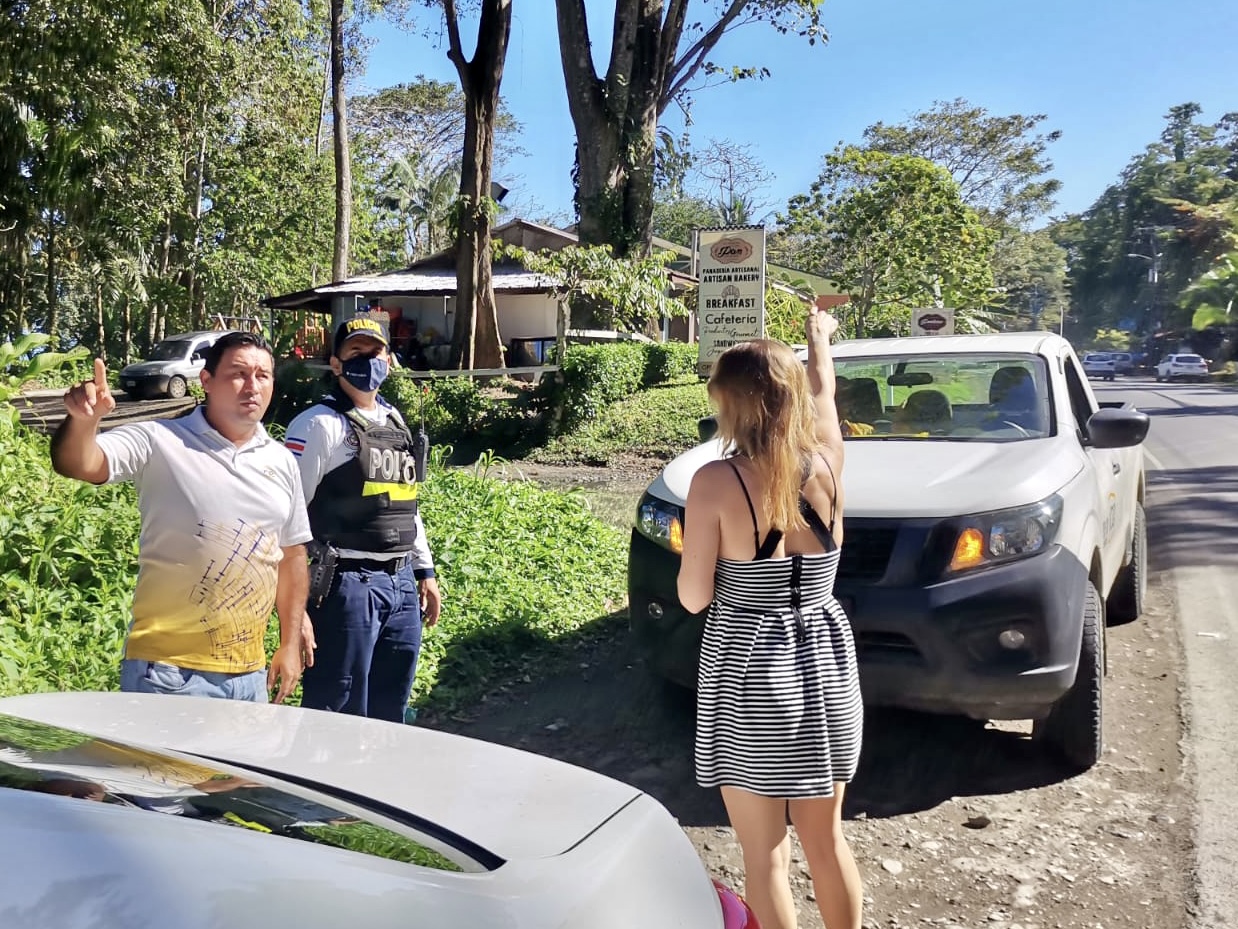
I was part of Unidas Talamanca, a grassroots community self-defense collective formed by women in town to protect each other and respond where institutions had failed. What began as a private WhatsApp group to share safety alerts became a powerful organizing space. We coordinated women-led escorts along dangerous roads where workers biking home were often attacked, protested publicly, and forced conversations with officials who had long dismissed our concerns.
As a collective, we met with the Minister of Women’s Affairs, the Minister of Security, the National Chief of Police, and local governors to demand change. We pushed ICE, the national power company, to repair and expand street lighting, and urged INAMU, Costa Rica’s national institute for women’s rights, to strengthen its presence in the area. We met when international embassies and collaborated with the Friedrich Ebert Foundation. We worked with media outlets to ensure the assaults could not be hidden by tourism interests, and we accompanied survivors directly—providing translation, comfort, and advocacy during police reports and medical processes.
The work was not without challenges. As many of us were foreigners, we were intentional about following the lead of local organizers and ensuring that the safety of both residents and tourists was prioritized. We faced threats from men in the community and navigated difficult internal conversations about safety, spokespersons, and strategy. Yet the solidarity and courage of Unidas Talamanca proved that when women come together, we can break through silence, confront impunity, and demand action—even when the state fails us.
While violence against women continues to be a devastating reality in Costa Rica, our collective showed the power of grassroots, women-led organizing in moments of crisis, and the importance of building networks of care, resistance, and visibility.